Futureproofing Tech: The Top 5 Device Trends Shaping Tomorrow
Introduction & Background
In an era where technology evolves faster than ever, businesses and consumers alike face a critical challenge: how to prepare for tomorrow without knowing exactly what tomorrow will bring. The concept of futureproofing tech is not just about buying the latest gadgets, but about investing in devices and systems that can adapt, scale, and remain relevant in the face of rapid change. As artificial intelligence, 5G connectivity, and sustainable innovations reshape every industry, the devices we rely on must be built to last beyond their initial release. This article explores the top five device trends that are setting the stage for tomorrow’s technology landscape, ensuring that the tools we use today will serve us well into the future.
Concept & Overview
Futureproofing tech refers to the strategic process of selecting and adopting devices that are designed with longevity and adaptability in mind. At its core, it means prioritizing hardware and software that can evolve through updates, modular upgrades, or compatibility with emerging standards. The key principles include flexibility, scalability, and resilience against obsolescence. Rather than chasing the newest release every six months, futureproofing encourages a mindset of investing in quality, upgradability, and compatibility with future technologies. This approach is especially vital for professionals in fast-paced fields like IT, design, and engineering, where obsolete tools can quickly become bottlenecks. By focusing on trends that emphasize sustainability, connectivity, and intelligence, individuals and organizations can build a technological foundation that stands the test of time.
Key Features & Highlights
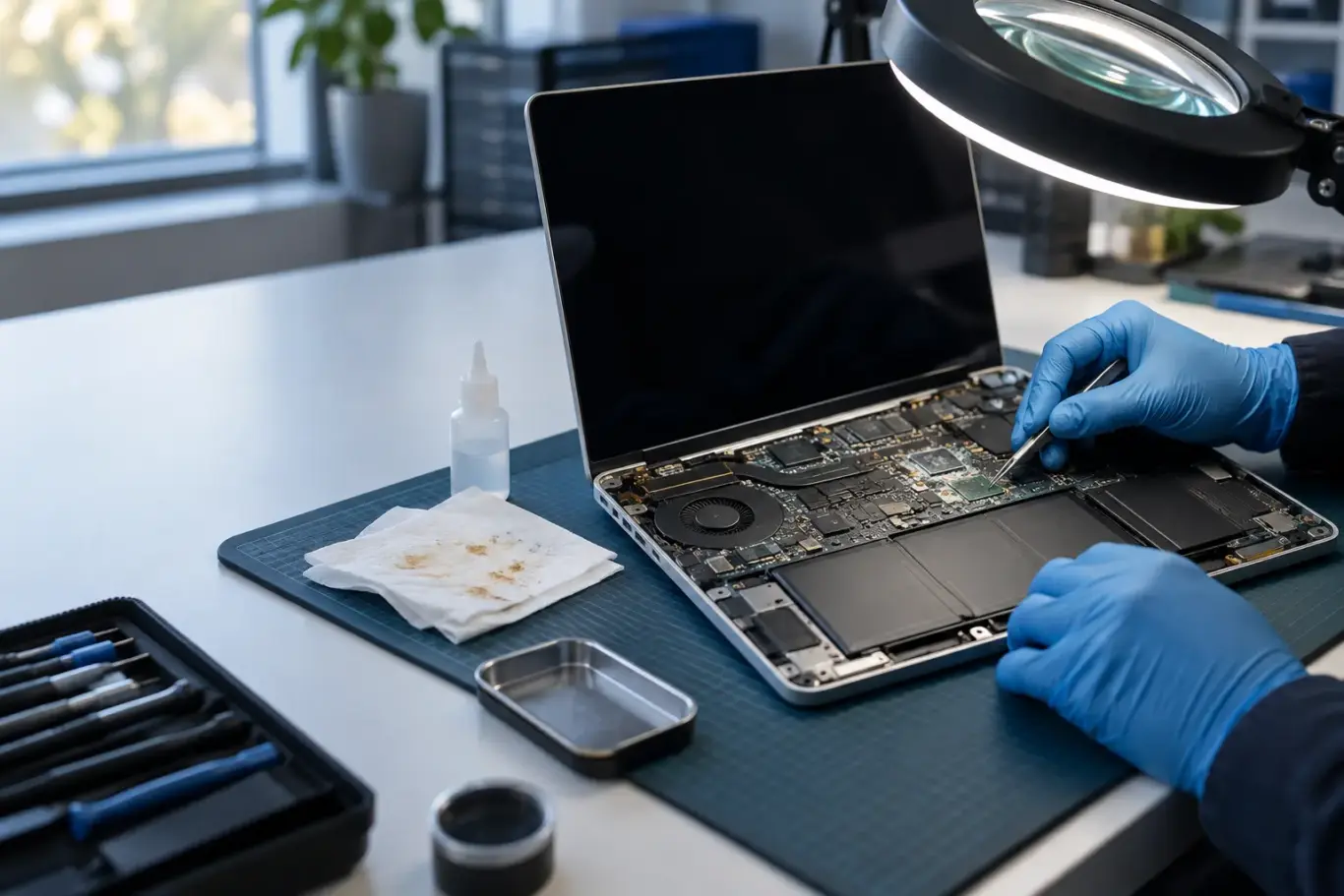
- Modular Design: Devices built with replaceable components, such as swappable batteries or upgradable RAM, allow users to extend the lifespan of their hardware without replacing the entire unit. This trend is gaining traction in laptops, smartphones, and even gaming consoles.
- AI Integration: Artificial intelligence is becoming a standard feature in devices, enabling them to learn user behavior, optimize performance, and even predict maintenance needs. Smart thermostats, wearables, and office equipment now come with AI-driven capabilities that improve over time.
- Sustainable Materials: As environmental concerns grow, manufacturers are turning to recycled plastics, biodegradable components, and energy-efficient designs. Solar-powered chargers, devices made from ocean plastics, and carbon-neutral production lines are becoming more common.
- 5G and Beyond: The rollout of 5G networks is just the beginning. Future devices will be built to support even faster, more reliable wireless standards, ensuring seamless connectivity for tasks like augmented reality, autonomous vehicles, and real-time cloud computing.
- Cross-Platform Compatibility: Devices that seamlessly integrate across ecosystems, whether it’s Windows, macOS, iOS, or Android, are becoming essential. Universal apps, cloud synchronization, and interoperable hardware reduce friction and extend usability.
Frequently Asked Questions / Pros & Cons
What exactly does “futureproofing” mean in technology?
Futureproofing in technology means choosing devices and systems that are designed to remain useful and relevant despite rapid advancements. It involves selecting hardware and software that can adapt through updates, modular upgrades, or compatibility with emerging standards. The goal is to avoid obsolescence and minimize the need for frequent replacements.
Is modular design worth the extra cost?
Modular devices often come with a higher upfront price, but they can save money in the long run. Users avoid the cost of replacing entire units when a single component fails or becomes outdated. However, not all modular designs are equal, some may sacrifice performance or compactness for flexibility.
How do AI-powered devices improve longevity?
AI allows devices to evolve with usage patterns. For example, a smart air purifier can learn which rooms are used most frequently and adjust its operation accordingly, extending its lifespan and efficiency. AI-driven predictive maintenance can also alert users to potential issues before they cause failure, reducing downtime.
Are sustainable materials less durable than traditional ones?
While early iterations of eco-friendly materials sometimes lagged in durability, advancements in bioplastics, recycled metals, and composite materials have closed the gap significantly. Many modern sustainable devices meet or exceed industry durability standards, proving that environmental responsibility does not have to come at the cost of quality.
Can cross-platform devices really replace single-ecosystem options?
Cross-platform devices and software can reduce dependency on a single brand or operating system, offering flexibility for users who work across multiple environments. While they may not always match the seamless integration of single-ecosystem solutions, advancements in cloud services and universal apps are making them increasingly viable alternatives.
Practical Guidance & Solutions
To futureproof your tech setup, start by assessing your long-term needs. If you’re a creative professional, prioritize devices with upgradable components and strong AI capabilities. For businesses, cross-platform compatibility and 5G readiness can ensure your infrastructure supports growth. Before purchasing, research the manufacturer’s track record in software updates and sustainability initiatives.
When investing in modular devices, compare the availability of replacement parts and the ease of installation. Some brands offer official upgrade kits, while others may rely on third-party solutions that void warranties. For AI-enabled devices, look for transparent data policies to ensure your information remains secure as the device learns and adapts.
Sustainability should also guide your buying decisions. Opt for brands that publish sustainability reports or use certified eco-friendly materials. Finally, futureproofing extends beyond hardware. Regularly update your software, back up data in the cloud, and stay informed about emerging technologies that could impact your workflow.
Conclusion
Futureproofing tech is no longer a luxury, it’s a necessity in a world where change is the only constant. The top device trends highlighted here represent more than just fleeting innovations; they are the building blocks of a resilient technological future. From modular designs that adapt to our needs to AI that grows smarter with us, these advancements ensure that our tools will not only keep pace but lead the way into tomorrow. By making thoughtful, informed choices today, we can invest in devices that stand the test of time, reducing waste, saving resources, and empowering us to focus on what truly matters: innovation without limits. The future of technology is not something we wait for, it’s something we build, one smart device at a time.